Best Time to Visit Rottnest Island: A seasonal guide

The best time to visit Rottnest Island depends on what you want to do. September to November and March to May are ideal for mild weather, fewer crowds and outdoor activities, while December to February is best for swimming, snorkelling and long beach days. June to August brings cooler weather, quieter trails and excellent opportunities for hiking, cycling and wildlife spotting.

Rottnest Island is a year-round destination, so there is no single month that works for everyone. Choose your travel dates based on the weather, crowds and activities you want to experience.

Best time to visit Rottnest Island at a glance

Travel goalBest time to visitWhy

Best overall weather

March–May & September–November

Mild temperatures, fewer crowds and comfortable conditions for exploring

Beaches & swimming

December–February

Warmest weather and water, with long sunny days

Snorkelling

November–April

Warmer water and generally favourable conditions for exploring the reefs

Cycling & hiking

March–May & September–November

Cooler temperatures make longer outdoor activities more comfortable

Quokka spotting

August–September

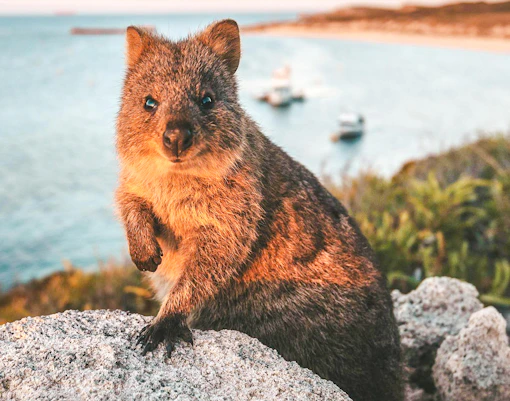
Quokka joeys begin emerging from their mothers’ pouches

Whale watching

August–December

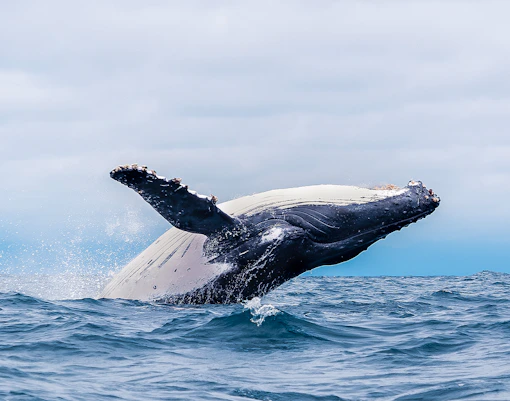
Migrating humpback and southern right whales pass the island

Fewer crowds

June–August

Quieter island atmosphere and cooler weather

Budget-friendly travel

May–August

Off-peak periods can offer better availability and seasonal deals

Quick summary

🌤️ Best weather: October to April for sunny skies, calm seas, and perfect conditions for swimming, snorkeling, and biking.

🚫 Avoid: June to August is windy, cool, and some tours may operate on limited schedules.

💸 Cheapest: May and September usually has fewer crowds, pleasant weather, and discounted ferry + stay combos.

🦘 Wildlife spotting: Visit from September to November to see baby quokkas and migrating humpback whales along the coast.

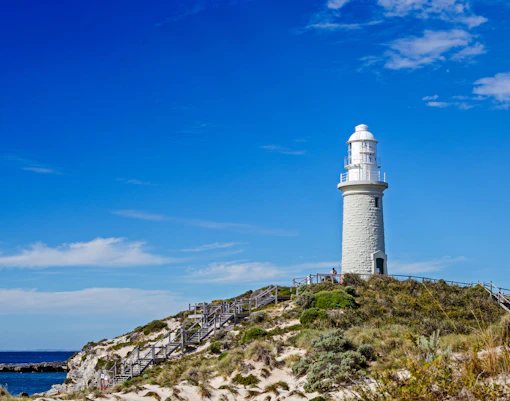
🌅 Best photo ops: Sunrise at Pinky Beach and sunset from Wadjemup Lighthouse offer postcard-perfect island views.

🌊 Adventure tip: Summer brings the clearest waters for snorkeling at The Basin and Parker Point.

Rottnest Island by season

Spring: September to November

Spring is one of the best times to visit Rottnest Island if you want a balance of pleasant weather, wildlife and outdoor activities. Temperatures begin to rise, wildflowers appear across the island and summer crowds have yet to fully arrive.

Best for: Wildlife spotting, cycling, hiking, wildflowers and sightseeing

  • Weather: Mild and increasingly warm, with occasional showers.
  • Crowds: Moderate, generally increasing towards November.
  • Wildlife: Quokka joeys begin appearing, while migratory whales can be spotted offshore.
  • Activities: Cycling, hiking, wildlife spotting, snorkelling and sightseeing.
  • Why visit: Comfortable conditions, colourful landscapes and plenty of wildlife.

September is particularly good for spotting young quokkas, while October and November bring the island's wildflower season.
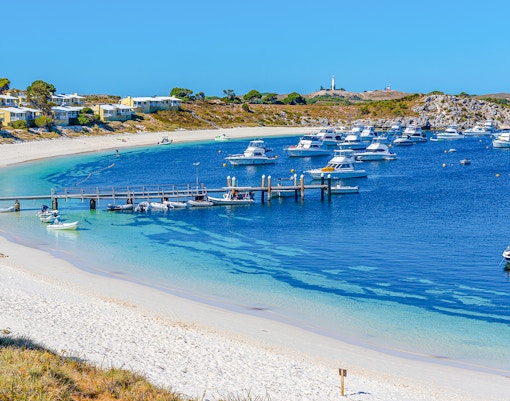
Summer: December to February

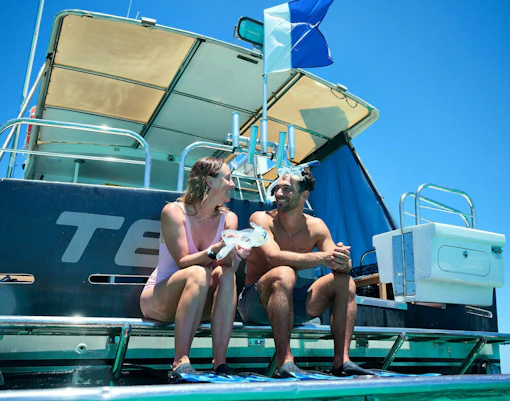
Summer is the busiest time to visit Rottnest Island and the best season for classic beach activities. Expect warm days, long daylight hours and lively island beaches, with an afternoon sea breeze often providing some relief from the heat.

Best for: Swimming, snorkelling, beaches, boating and a lively island atmosphere

  • Weather: Hot and dry, with warm days and sea breezes.
  • Crowds: Highest during summer and school holidays.
  • Wildlife: Quokkas remain active, while reptiles and marine life are easier to spot.
  • Activities: Swimming, snorkelling, boating, cycling and beach-hopping.
  • Why visit: Warm water, long days and ideal conditions for enjoying the coastline.

Summer is also when ferry, bike hire and popular experiences can fill up, so booking ahead is recommended.

Tip: If you're visiting for a day, consider booking your Rottnest Island ferry tickets in advance, particularly during school holidays and event weekends.

Autumn: March to May

Autumn brings some of the most comfortable conditions for exploring Rottnest Island. Temperatures become milder after summer, crowds begin to ease and the island is well suited to active days outdoors.

Best for: Cycling, hiking, sightseeing and quieter beach visits

  • Weather: Warm to mild, gradually becoming cooler towards May.
  • Crowds: Moderate and generally lower than summer.
  • Activities: Cycling, hiking, sightseeing, historical tours and beach walks.
  • Wildlife: Quokkas and birdlife remain easy to spot.
  • Why visit: Comfortable temperatures and fewer visitors.

For travellers who want to explore more of the island rather than spend the whole day at the beach, autumn is a particularly good compromise between weather and crowds.

Winter: June to August

Winter is the quietest season on Rottnest Island, but that doesn't mean there is less to do. Cooler temperatures make walking and cycling more comfortable, while winter rain brings new growth to the island's landscapes.

Best for: Hiking, cycling, photography, wildlife and a quieter island experience

  • Weather: Cool and occasionally wet, with average daytime temperatures around 19°C.
  • Crowds: Lowest of the year.
  • Wildlife: Quokkas are often more active in the cooler weather, and whale sightings become possible.
  • Activities: Hiking, cycling, photography, sightseeing, surfing and wildlife spotting.
  • Why visit: Peaceful trails, cooler outdoor conditions and seasonal wildlife.

Winter is also a good time to explore the island at a slower pace. From August, quokka joeys may begin peeking out from their mothers' pouches, while whale migration becomes increasingly visible around the island.

Best months to visit Rottnest Island

January and February

Best for beaches, swimming and snorkelling. These are among the warmest months, but also some of the busiest.

March and April

Best for cycling, sightseeing and outdoor activities. Summer crowds begin to ease while conditions remain comfortable.

May

Best for quieter island visits and hiking. The weather is cooler and visitor numbers generally decline.

June and July

Best for peaceful exploration, hiking and photography. Expect cooler and occasionally wet weather, but fewer crowds.

August

Best for wildlife and whale spotting. Quokka joeys may begin emerging, while whale migration gets underway.

September and October

Best for wildflowers, quokka joeys and whale watching. Spring brings new growth, warmer weather and plenty of wildlife activity.

November

Best for warm-weather activities before the peak summer rush. The weather is increasingly suited to swimming and snorkelling, although visitor numbers begin to rise.

December

Best for summer beach days and festive events. Expect warm weather and higher visitor numbers, particularly around the holiday period.

What to do in Rottnest Island in each season

Spring

  • Spot quokka joeys
  • Look for migrating whales
  • Walk through wildflower-covered areas
  • Cycle the island's coastal routes
  • Explore the Wadjemup Bidi
  • Start snorkelling as the water warms

Summer

  • Swim at The Basin
  • Snorkel around Parker Point and Little Salmon Bay
  • Spend the day at Rottnest's beaches
  • Cycle between bays and viewpoints
  • Take a boat tour
  • Enjoy longer evenings outdoors

Autumn

  • Cycle without the peak summer heat
  • Walk coastal trails
  • Explore the island's historic sites
  • Visit beaches and bays during quieter periods
  • Take a guided island tour

Winter

  • Hike the Wadjemup Bidi
  • Cycle around the island
  • Look for migrating whales
  • Spot more active quokkas
  • Photograph the winter landscape
  • Explore the island's history and cultural attractions

For more ideas, see our guide to things to do on Rottnest Island.

Best time for quokkas and wildlife

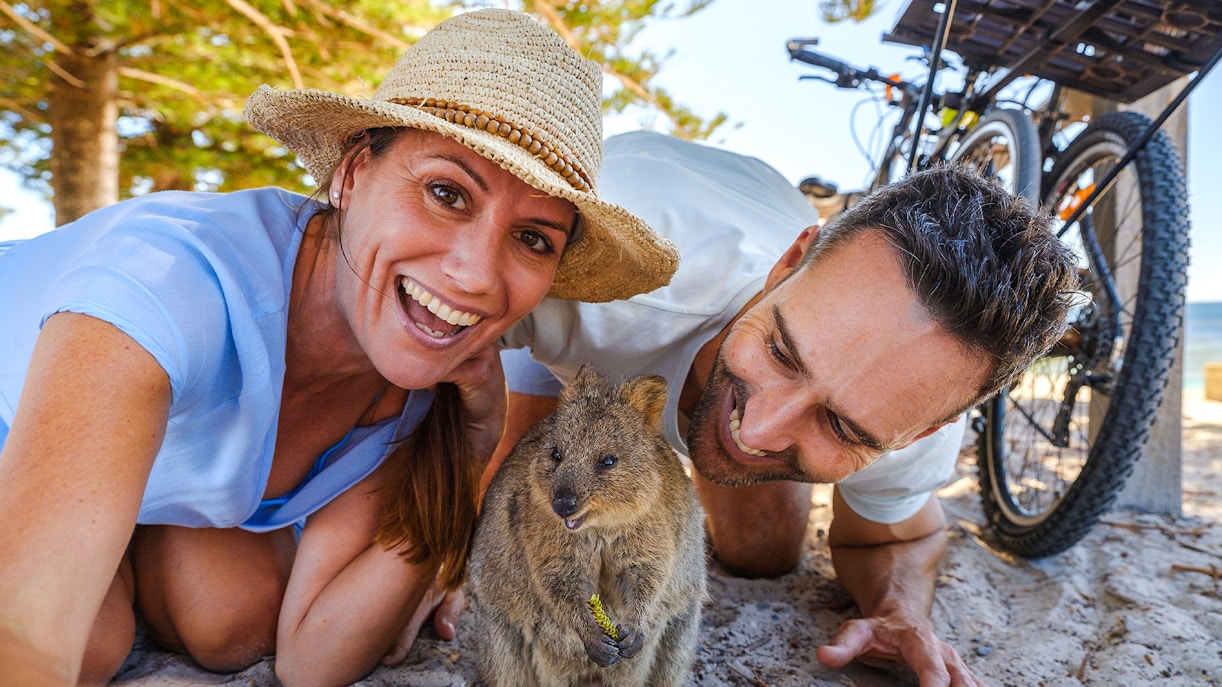
Tourists smiling with a quokka on Rottnest Island, bicycles and beach in background.

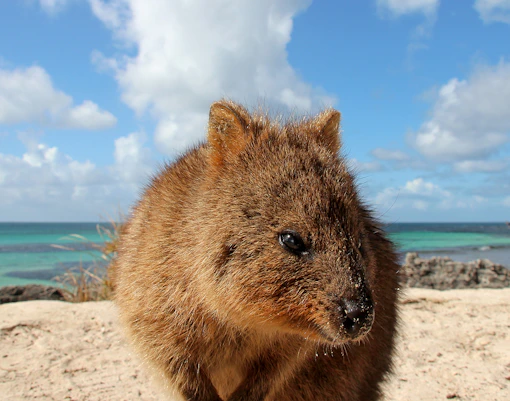
Quokkas live on Rottnest Island throughout the year, so there is no bad season for a quokka encounter. They are naturally most active around early morning and late afternoon, when temperatures are cooler.

For a particularly memorable wildlife experience, visit between August and September, when young quokkas may begin emerging from their mothers' pouches. Spring also brings increased birdlife and whale sightings around the island.

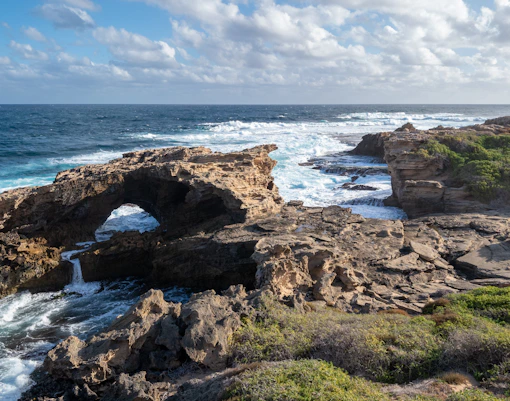
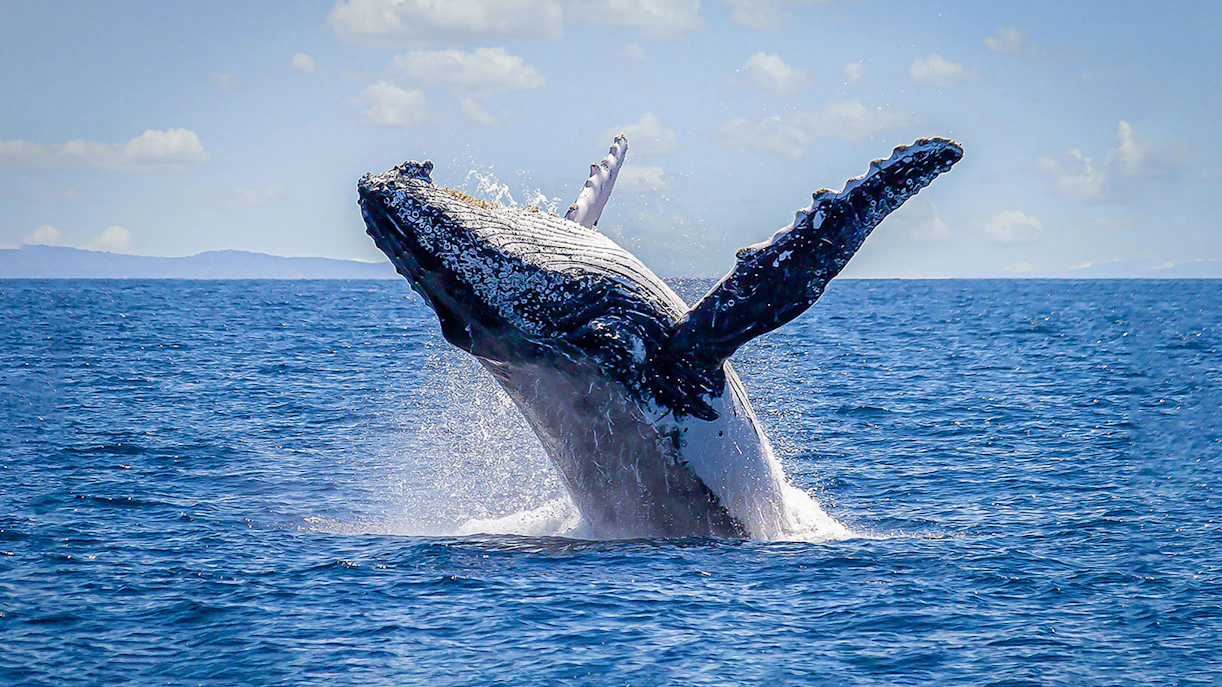
Whales can be spotted around Rottnest from August to December, with occasional sightings as early as June or July. Look for them from coastal viewpoints around West End or even during your ferry journey.

Explore our Rottnest Island wildlife guide for more on quokkas, whales, birds and marine life.

Best time for beaches and snorkelling

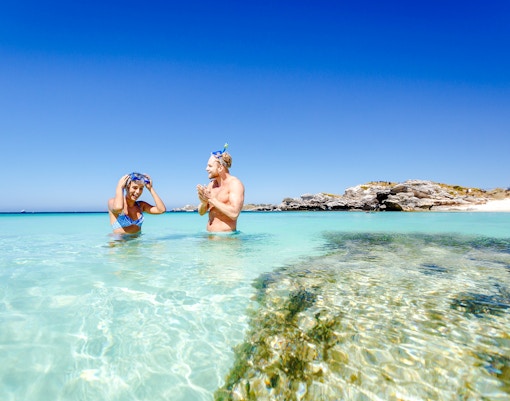
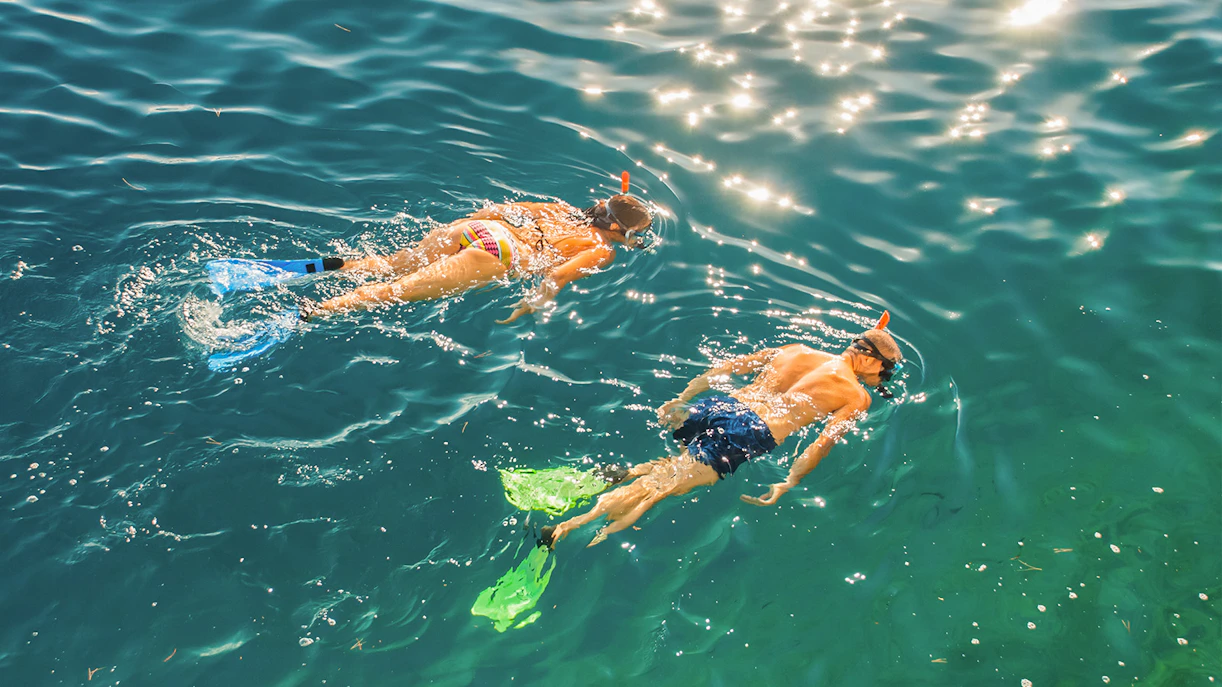
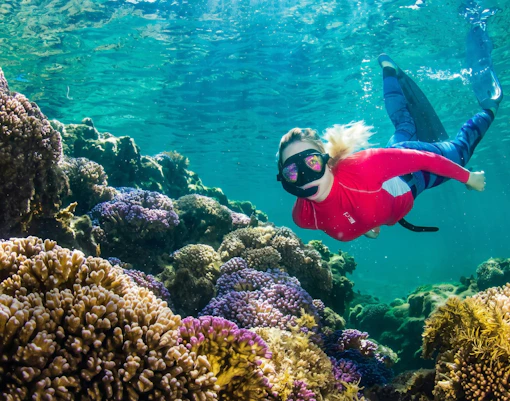
Tourists snorkeling in clear blue water at Rottnest Island during Fremantle day trip.

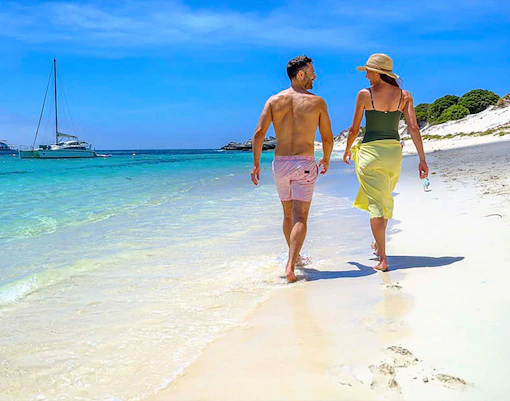
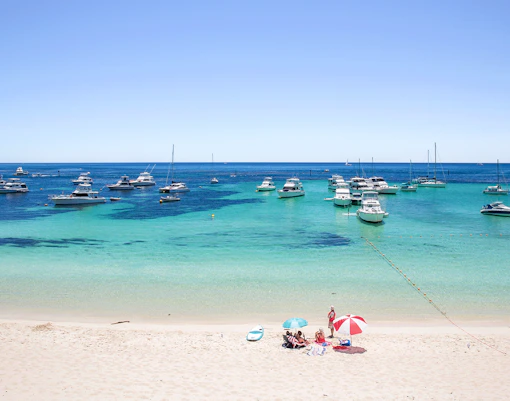
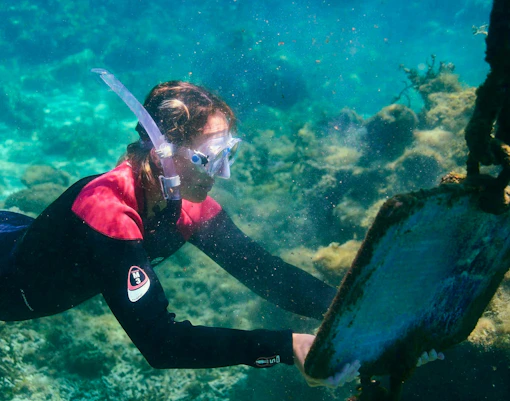
If your priority is swimming and snorkelling, December to February offers the warmest summer conditions. The warmer months are ideal for spending long days in the water and exploring Rottnest's beaches and bays.

Popular spots include:

  • The Basin: Calm, clear water and one of the island's best-known swimming and snorkelling spots.
  • Parker Point: A popular snorkelling location with marine life and clear waters.
  • Little Salmon Bay: Sheltered water and a good choice for snorkelling.
  • Pinky Beach: Conveniently located near the main settlement and ideal for a relaxed beach stop.

Late spring and early autumn can also be good choices if you want to combine beach time with more comfortable cycling and walking conditions.

See our guide to Rottnest Island beaches and explore available Rottnest Island snorkelling experiences.

Best time for cycling and outdoor activities

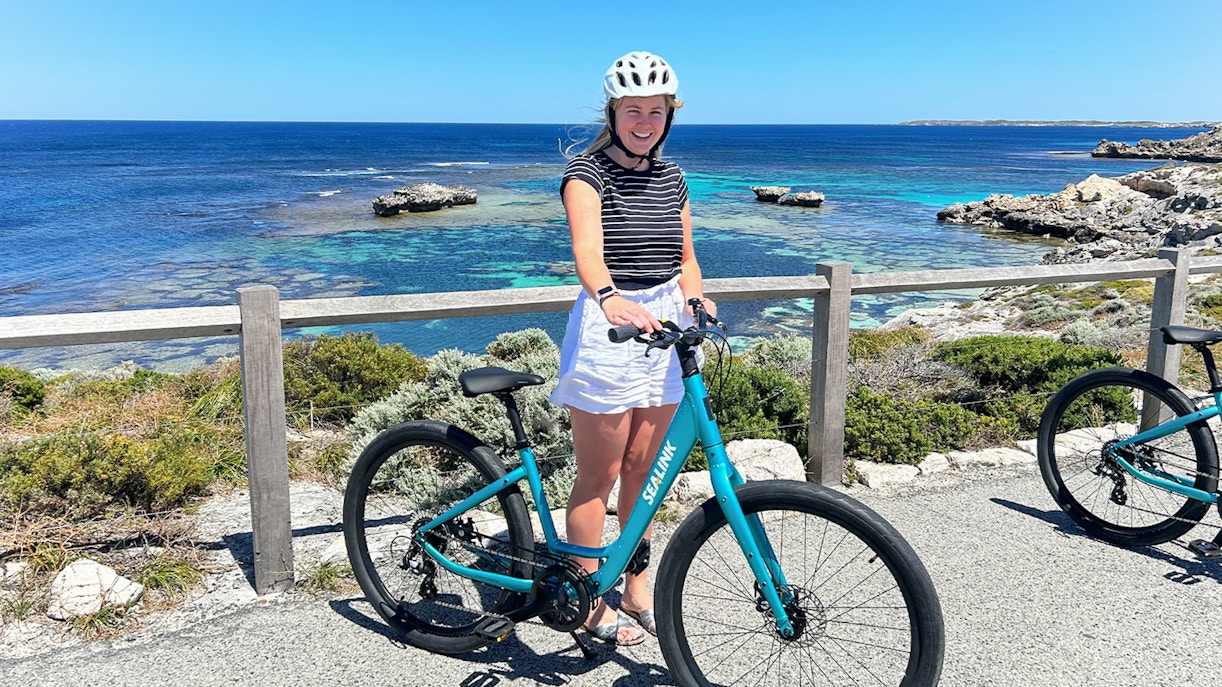
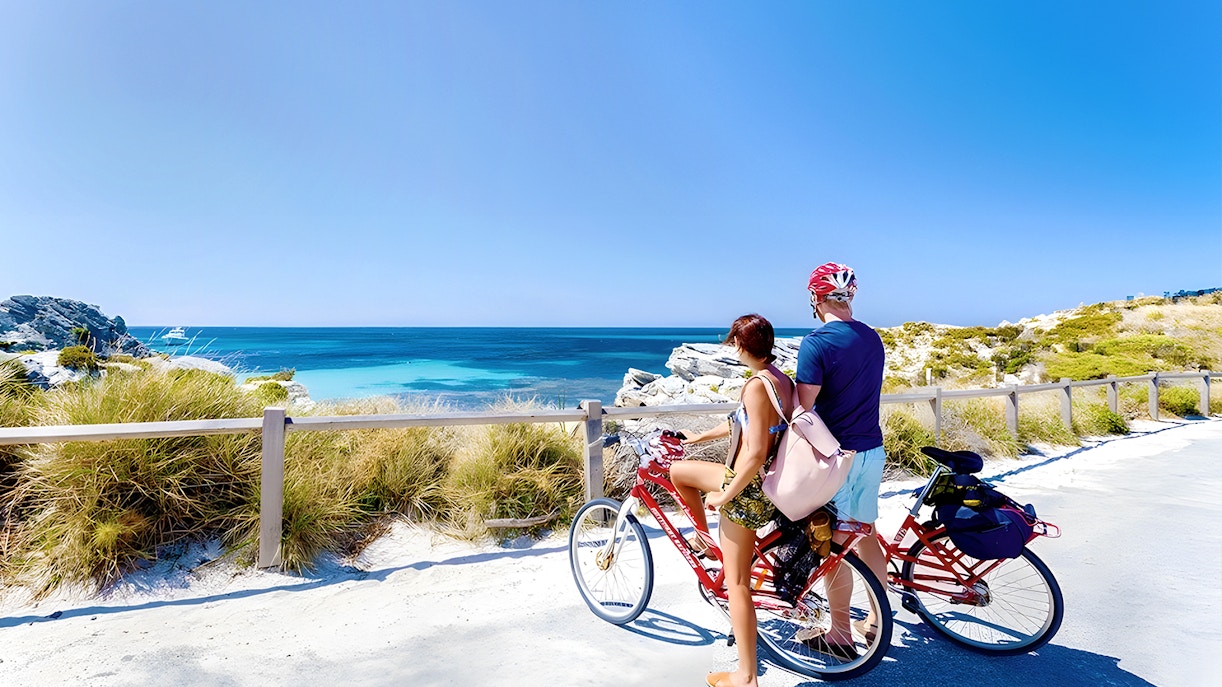
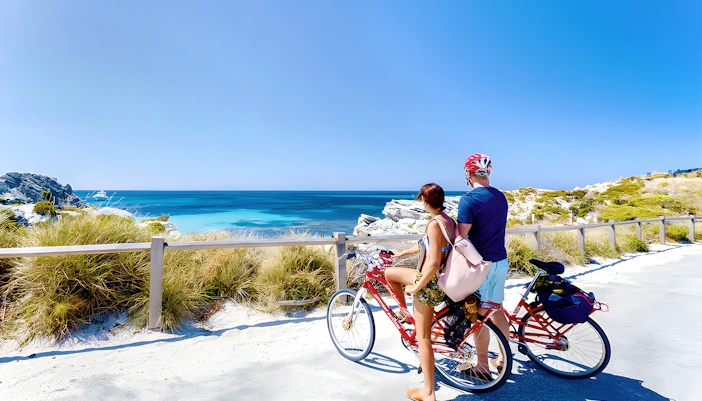
Person with a bike on Rottnest Island overlooking the ocean during a guided bus tour.

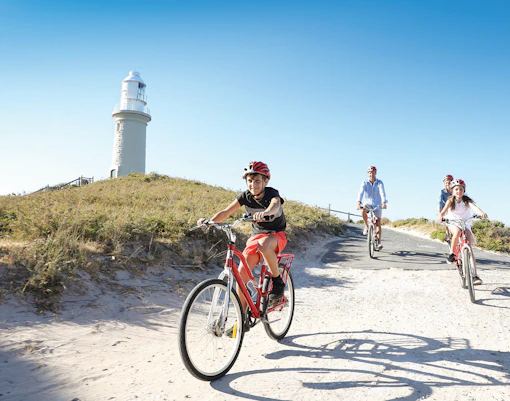
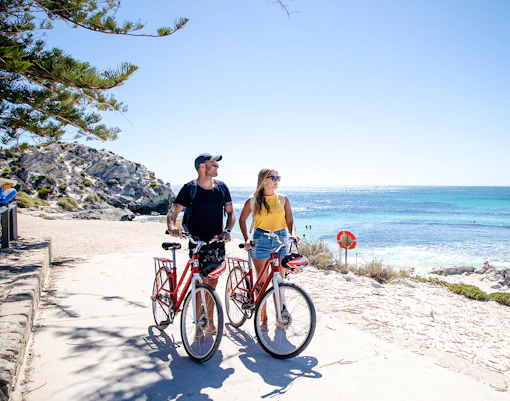
For cycling and longer walks, March to May and September to November offer some of the most comfortable conditions. The weather is generally milder than summer, making it easier to cover longer distances without the midday heat.

Summer cycling is still popular, but consider riding earlier in the day and taking breaks at the island's beaches and bays.

Winter is another good option for active travellers who prefer cooler conditions. The island's official tourism guidance specifically highlights hiking and cycling as suitable winter activities.

Because Rottnest is car-free, cycling is one of the most convenient ways to explore beyond the main settlement.

Book Rottnest Island bike hire if you want to explore independently, or choose a guided Rottnest Island tour if you'd prefer to have transport and sightseeing organised.

Peak, shoulder and off-peak seasons

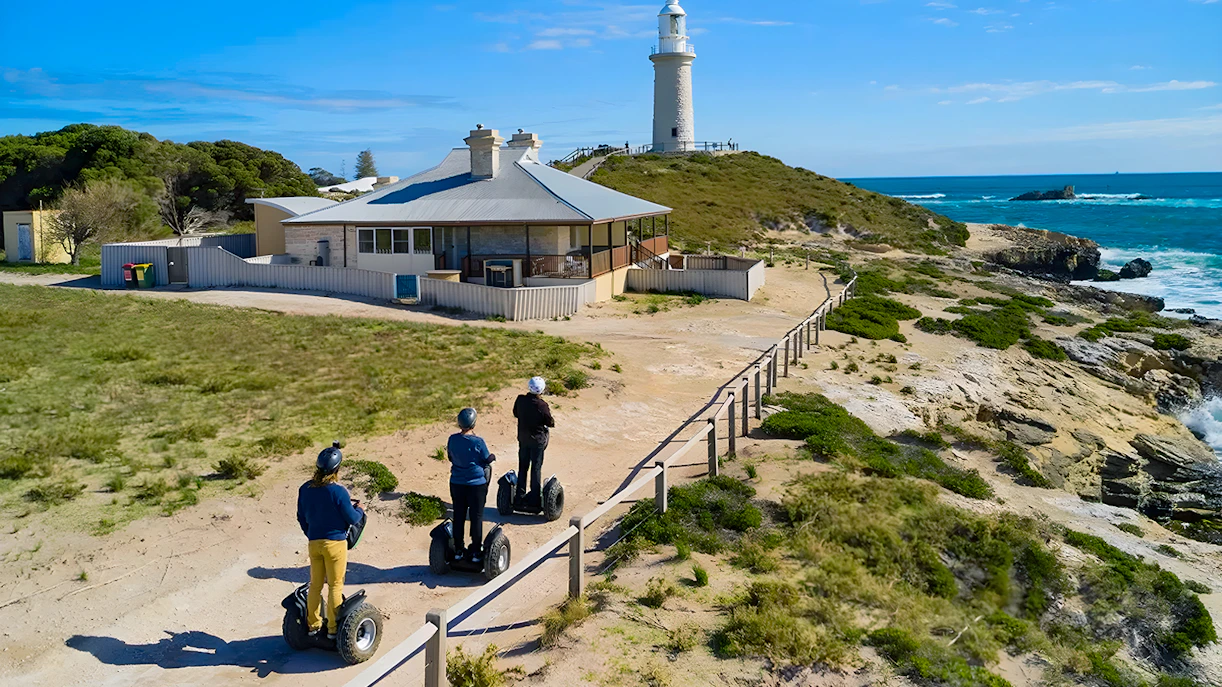
Tourist riding a Segway along a scenic path on Rottnest Island, Australia.

Best for: Beach days, swimming, snorkelling and summer events

Expect the highest visitor numbers, especially during school holidays. Ferries, bike hire and popular tours can sell out, so advance booking is recommended.

Tourists snorkeling in clear blue water at Rottnest Island on a Fremantle day trip.

Best for: Cycling, hiking, wildlife and sightseeing

Shoulder season offers a useful balance of pleasant weather and fewer crowds. Spring is particularly good for wildflowers, quokka joeys and whale watching.

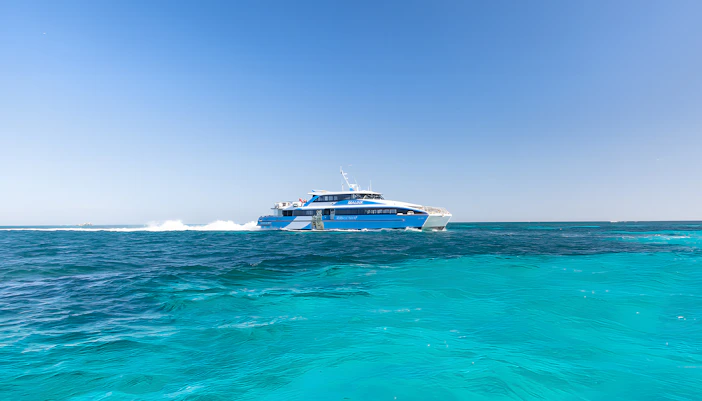
Tourists enjoying the Rottnest Island Ferry and Adventure Boat Tour, departing from Perth or Fremantle, with a view of the island's coastline

Best for: Hiking, cycling, photography and a quieter getaway

Winter brings cooler weather and occasional rain, but also fewer visitors and a more peaceful island experience. Seasonal wildlife and whale sightings make this a rewarding time for nature-focused travellers.

Sydney Harbour whale watching cruise with tourists observing a breaching whale.
  • Weather: Coolest, highs 17–19°C, wettest period.
  • Crowds: Lowest, peaceful atmosphere.
  • Activities: Walking trails, photography, whale watching (late winter), and indoor attractions.
  • Wildlife: Quokkas, winter birds, dramatic coastal scenery.
  • Pros: Tranquility, lush landscapes, off-peak pricing.
  • Cons: Rainy days, some activities are limited by weather.

Events on Rottnest Island

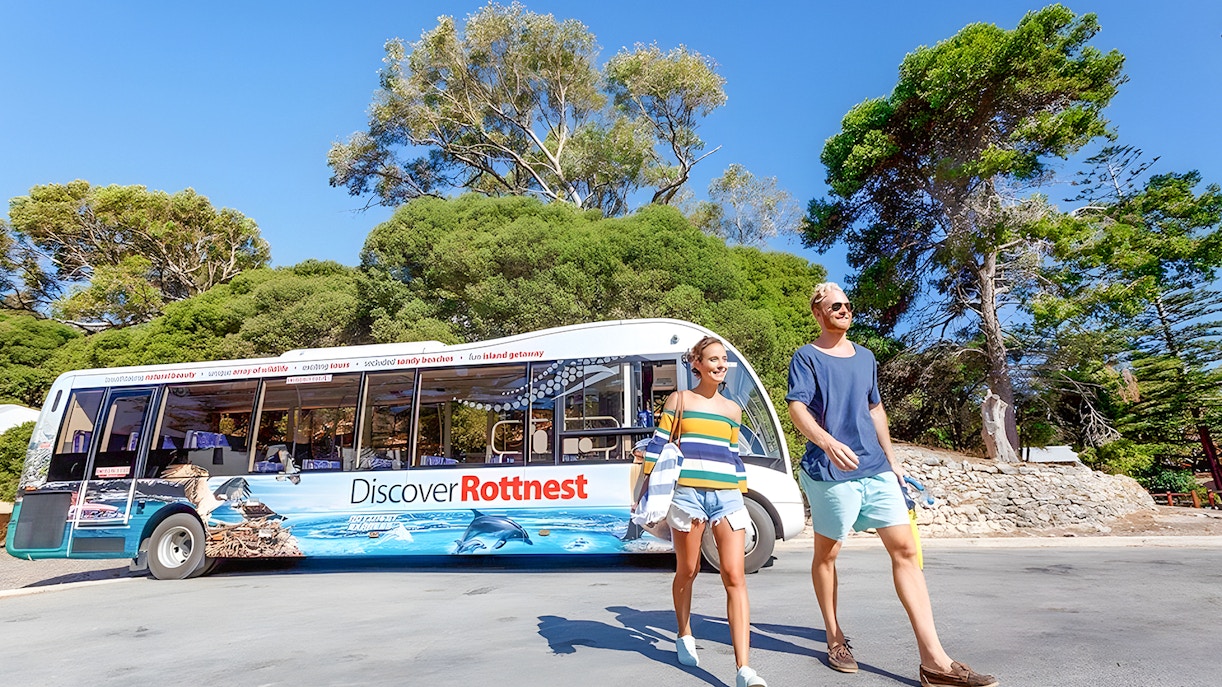
Tourists walking near a bus on Rottnest Island with coastal scenery in the background.

Events can significantly affect visitor numbers, ferry availability and accommodation, so check what's happening before choosing your travel dates.

Some popular events and periods include:

  • Rottnest Channel Swim: Held in February and attracts large numbers of participants and spectators.
  • Rottnest Marathon: Usually held in October.
  • Rottnest Swim Thru: A popular summer swimming event.
  • Spring and summer events: Various food, music and community events take place throughout the warmer months.
  • School holidays: Expect higher visitor numbers, particularly around December and January.

If you're travelling specifically for an event, book your Rottnest Island ferry and any tours or bike hire as early as possible.

What to book for your Rottnest Island visit

Your booking priorities will depend on the season and how you plan to explore.

Travelling in summer?

Book your ferry, bike hire and tours in advance. Summer is the busiest period and availability can become limited.

Visiting during shoulder season?

You can usually plan more flexibly, but booking your preferred ferry and experience ahead still helps you make the most of your day.

Visiting in winter?

Consider a guided bus tour, cycling experience or walking-focused itinerary so you can explore comfortably even when the weather is cooler.

Visiting for wildlife?

Look for experiences that take you around the island's coastal and natural areas, particularly during the whale migration season.

Browse Rottnest Island tours or compare ferry options from Perth, Fremantle and Hillarys before you travel.

Tips for visiting Rottnest Island

  • Book ferries early: This is especially important during summer, weekends, school holidays and major events.
  • Check the weather: Conditions can change quickly, particularly on exposed coastal sections.
  • Pack sun protection: Sunscreen, sunglasses and a hat are useful throughout the year.
  • Carry water: Cycling and walking can be tiring, particularly during warmer months.
  • Bring swimwear: Even outside summer, you may want to take a dip if conditions are suitable.
  • Pack a light layer: Coastal winds can make the island feel cooler than expected.
  • Plan your transport: Rottnest is car-free, so decide whether you want to cycle, walk, take the bus or join a guided tour.
  • Respect the wildlife: Never touch, feed or give water to quokkas, and observe them from a respectful distance.
  • Start early in summer: An early start makes cycling and sightseeing more comfortable before the hottest part of the day.
  • Allow extra time for popular spots: Summer crowds can mean longer waits for bikes, buses, food and other services.

Frequently asked questions

Yes, but what you experience will vary by season. Summer is best for beaches and water sports; spring and autumn offer wildflowers and mild weather; winter is tranquil and great for exploring on foot.