Skip to main content‌

Rottnest Island wildlife: Quokkas, marine life & birds

Rottnest Island, or Wadjemup, is home to a remarkable variety of native wildlife, from its famous quokkas to tropical fish, seals, dolphins, whales and more than 50 identified bird species. The island's six distinct ecosystems include coastal habitats, woodlands, wetlands, scrub heath and marine environments, creating a rich natural setting for wildlife encounters.

Whether you're looking for a quokka near the main settlement, watching seabirds around West End or snorkelling among colourful fish, wildlife is part of the Rottnest Island experience year-round.

Rottnest Island wildlife at a glance

WildlifeWhere to lookBest time to see

Quokkas

Across the island, including the settlement and natural reserve

Early morning & late afternoon

Quokkas

Reefs, bays and snorkelling spots

Year-round

Tropical fish

Cathedral Rocks

Year-round

Long-nosed fur seals

Offshore waters

Year-round, sightings vary

Dolphins

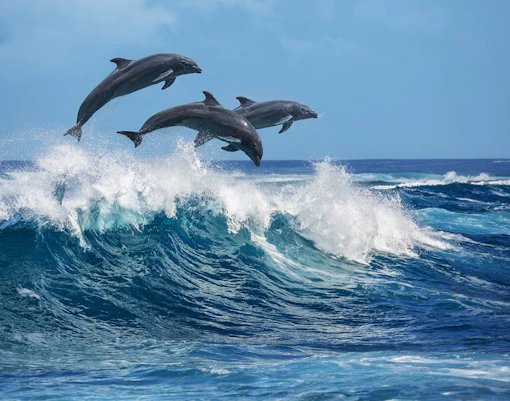
Offshore and around West End

August–December

Humpback whales

Coastal waters

Sightings vary

Australian sea lions

West End and southern coastline

Year-round

Ospreys

Coastal areas and wetlands

Seasonal

Shearwaters & terns

Salt lakes and wetlands

Particularly good in winter

Waders & stilts

Waders & stilts

Warmer months

Bobtails & king skinks

Quokkas

Introduction

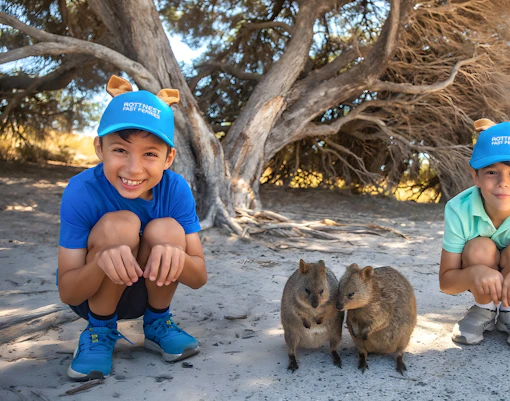
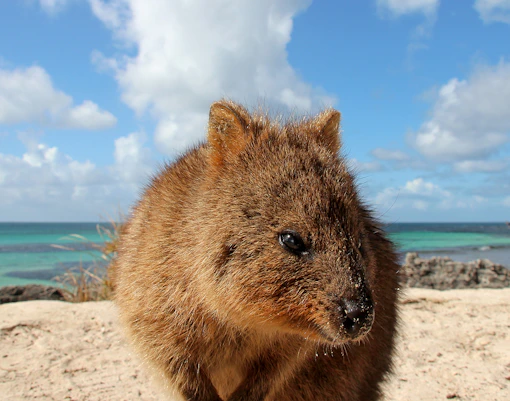
The quokka, or kwoka in Noongar, is Rottnest Island's most famous resident. The island is home to the world's largest quokka population, with family groups found throughout the island's natural habitats.

These small marsupials are herbivores and are mainly nocturnal. During the day, they often rest in shady areas, making early mornings and late afternoons particularly good times to see them active.

Quokkas can be found throughout Rottnest Island, including around the main settlement, but seeing one in its natural habitat away from busy areas can be a particularly memorable experience.

Despite their friendly appearance, quokkas are wild animals and are classified as a vulnerable species. Always observe them without touching, feeding or giving them water.
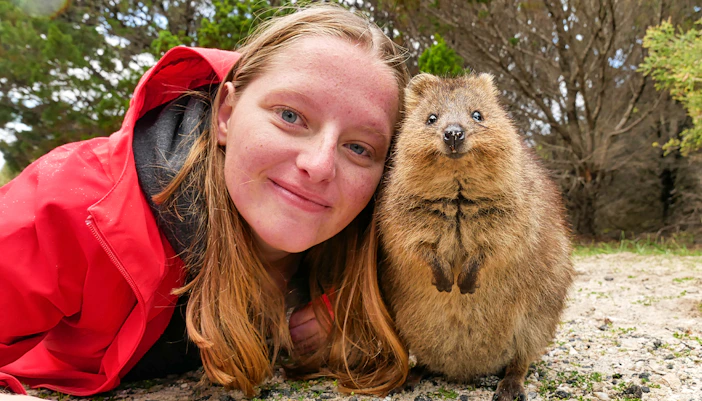
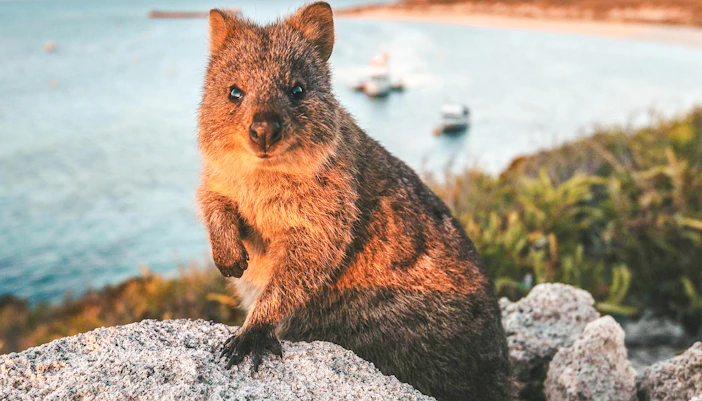
Quokka facts

  • Native to Wadjemup / Rottnest Island
  • A small type of wallaby
  • Mainly nocturnal
  • Herbivorous
  • Can climb trees
  • Found across the island
  • Protected as native wildlife

Where to spot quokkas on Rottnest Island

You don't need to travel to a specific wildlife park to see quokkas. They live throughout Rottnest Island and can sometimes be spotted close to the main settlement.

For the best chance of seeing them:

  • Explore quieter areas away from busy pedestrian zones.
  • Look around shaded vegetation and natural scrub.
  • Visit during the cooler parts of the day.
  • Keep an eye out while cycling or walking, particularly along established paths.
  • Give quokkas plenty of space and allow them to move freely.

Important: A quokka encounter is never guaranteed. They are wild animals, so the best approach is to explore their habitat and let the sighting happen naturally.

For more detailed locations and tips, see our guide to spotting quokkas on Rottnest Island.

Marine life

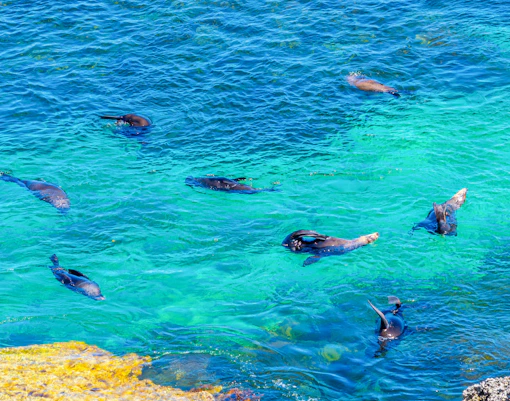
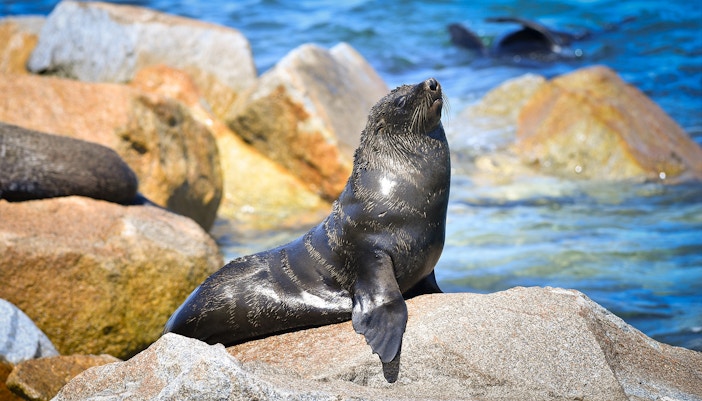
Sea lions swimming near Cathedral Rock at Rottnest Island, Australia.

Rottnest Island's wildlife extends well beyond its famous marsupials. The waters surrounding Wadjemup are home to vibrant coral, seagrass meadows, tropical and temperate fish, seals, dolphins, whales and other marine life.

The island has 63 beaches, 20 bays and five marine sanctuary zones, while its underwater limestone formations create reefs, caves, swim-throughs and sheltered habitats for marine species. More than 400 fish species have been recorded around the island.

Tropical fish and reef life

Snorkel around Rottnest's bays and reefs and you may encounter:

  • King wrasse
  • Western blue devilfish
  • Colourful tropical fish
  • Nudibranchs
  • Coral
  • Seagrass communities
  • Western rock lobsters

Popular areas for exploring marine life include The Basin, Little Salmon Bay, Parker Point and Little Armstrong Bay.

See our guide to snorkelling on Rottnest Island for more places to explore.

Long-nosed fur seals

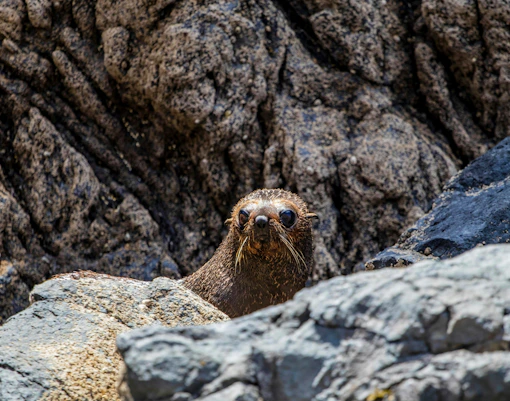
A colony of long-nosed fur seals lives around Cathedral Rocks at the island's western end. A viewing platform provides an opportunity to watch them from a safe distance as they rest on the rocks or move through the water.

Whales

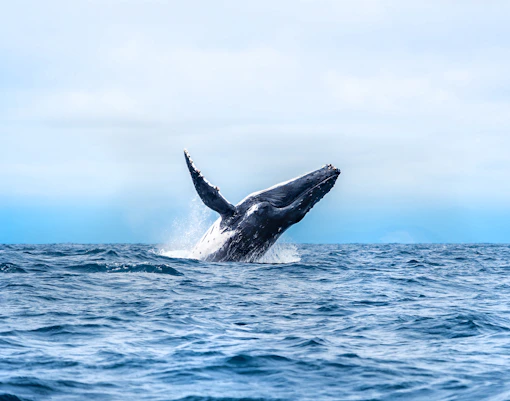
Humpback whales migrate through the waters around Rottnest Island, with the main whale-watching period generally falling between August and December.

West End and other exposed coastal viewpoints can offer opportunities to look for whales offshore. Sightings are never guaranteed, so keep expectations flexible and enjoy the broader coastal landscape too.

Birds and other wildlife

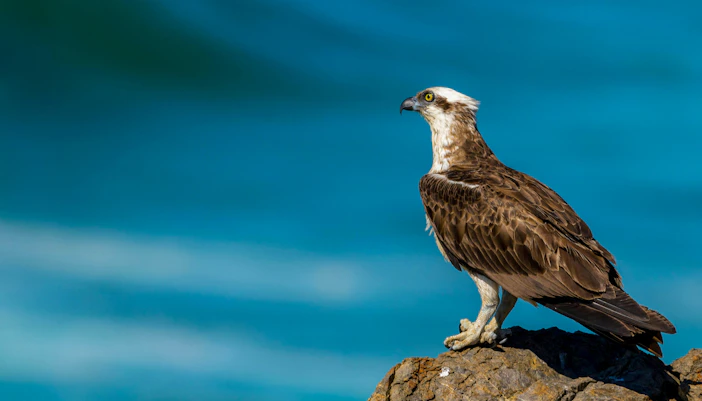
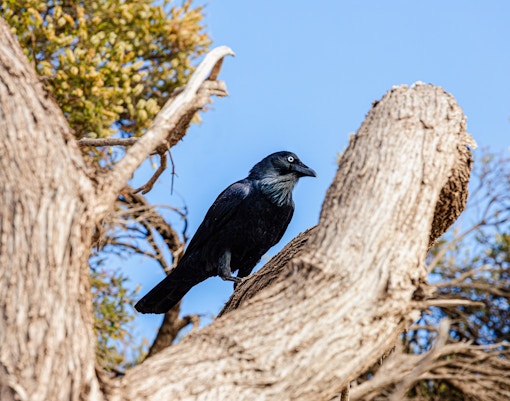
Rottnest Island is an important habitat for resident and migratory birdlife. Around 50 identified bird species have been recorded on the island, which is recognised as an Important Bird and Biodiversity Area.

Birds to look out for

Depending on where and when you visit, you may see:

  • Eastern ospreys
  • Wedge-tailed shearwaters
  • Crested and bridled terns
  • Australian shelducks
  • Australian pied oystercatchers
  • Banded stilts
  • Black-winged stilts
  • Eastern reef egrets
  • Red-capped robins
  • Nankeen kestrels
  • Silver gulls
  • Waders and other wetland birds

Where to see birds

Different habitats attract different species.

West End: Look for ospreys, shearwaters and other coastal birds.

Salt lakes and wetlands: A good area for waders, stilts, shelducks and other waterbirds.

Woodlands: Look for smaller woodland birds, including red-capped robins.

Coastal areas: Watch the cliffs and ocean for terns, oystercatchers, cormorants and other seabirds.

Winter can be particularly productive for birdwatching, especially around the island's wetlands.

Other wildlife

Keep an eye out for wildlife beyond quokkas and birds, including:

  • Bobtail lizards
  • King skinks
  • Native frogs
  • Western rock lobsters
  • Seals
  • Dolphins
  • Whales

The island's different ecosystems support a surprisingly varied range of species.

Wildlife experiences on Rottnest Island

You can experience Rottnest's wildlife independently or combine wildlife spotting with a guided tour or water-based experience.

Quokka experiences

Explore the island's natural habitats on foot or by bike and look for quokkas along the way. A guided experience can also help you understand more about their behaviour, habitat and conservation.

Explore our Rottnest Island quokka experiences to find ways to make wildlife spotting part of your itinerary.

Snorkelling experiences

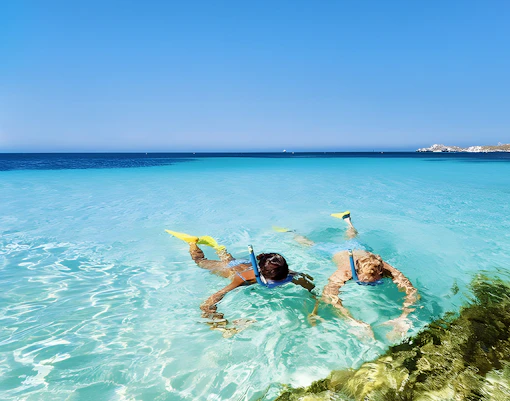
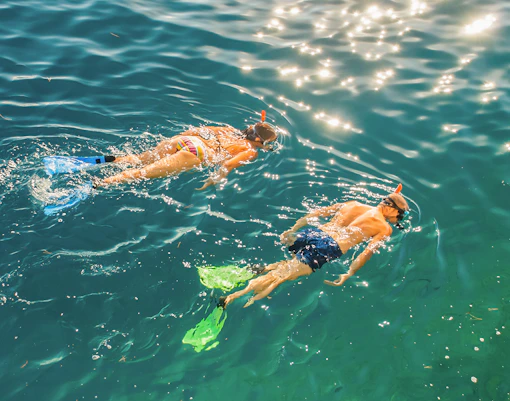
Snorkelling gives you a different perspective on Rottnest wildlife. Explore sheltered bays, coral formations and seagrass habitats to look for tropical fish and other marine life.

Boat tours

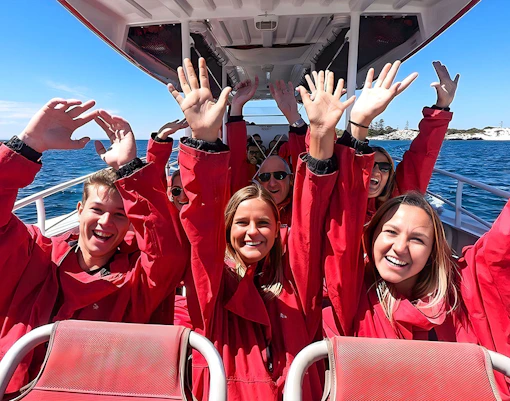
A boat trip lets you explore the coastline from the water and can offer opportunities to look for dolphins, seals, whales and seabirds.

Wildlife and island tours

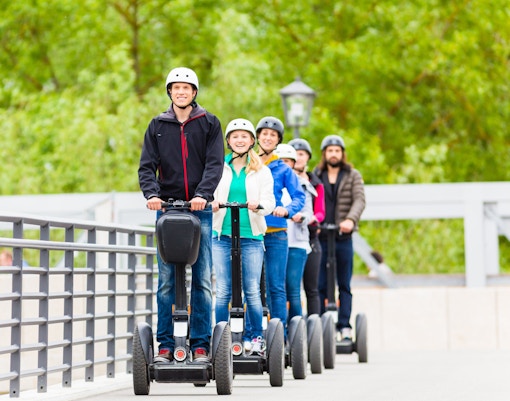
If you'd rather combine sightseeing with wildlife spotting, choose a guided island tour. These experiences can take you to multiple parts of Rottnest without requiring you to plan the route yourself.

Best wildlife-spotting locations on Rottnest Island

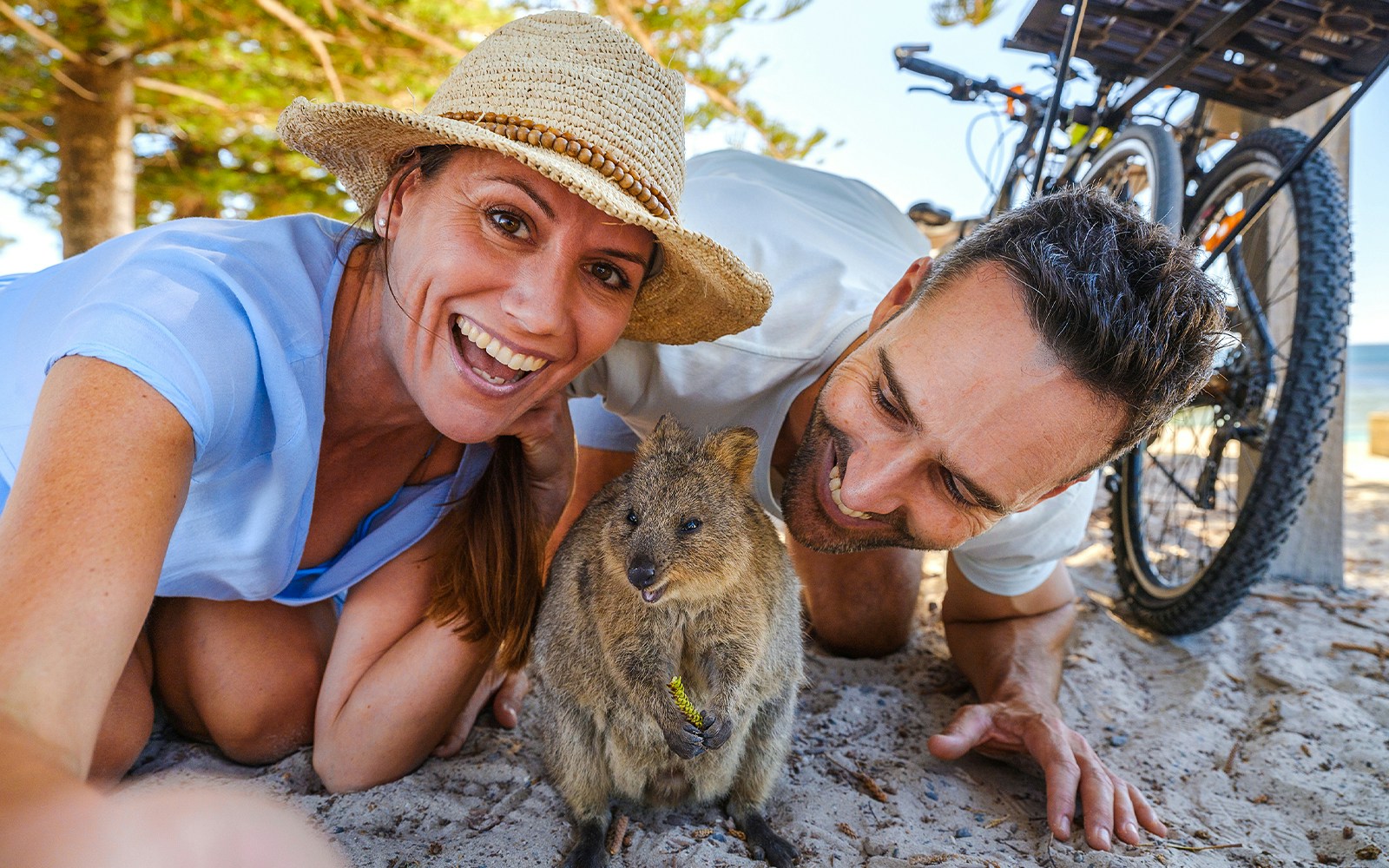
Tourists smiling with a quokka on Rottnest Island, bicycles and beach in background.

Thomson Bay and the main settlement

This is one of the easiest places to encounter quokkas, particularly around areas of vegetation. You may also see silver gulls and other common birdlife.

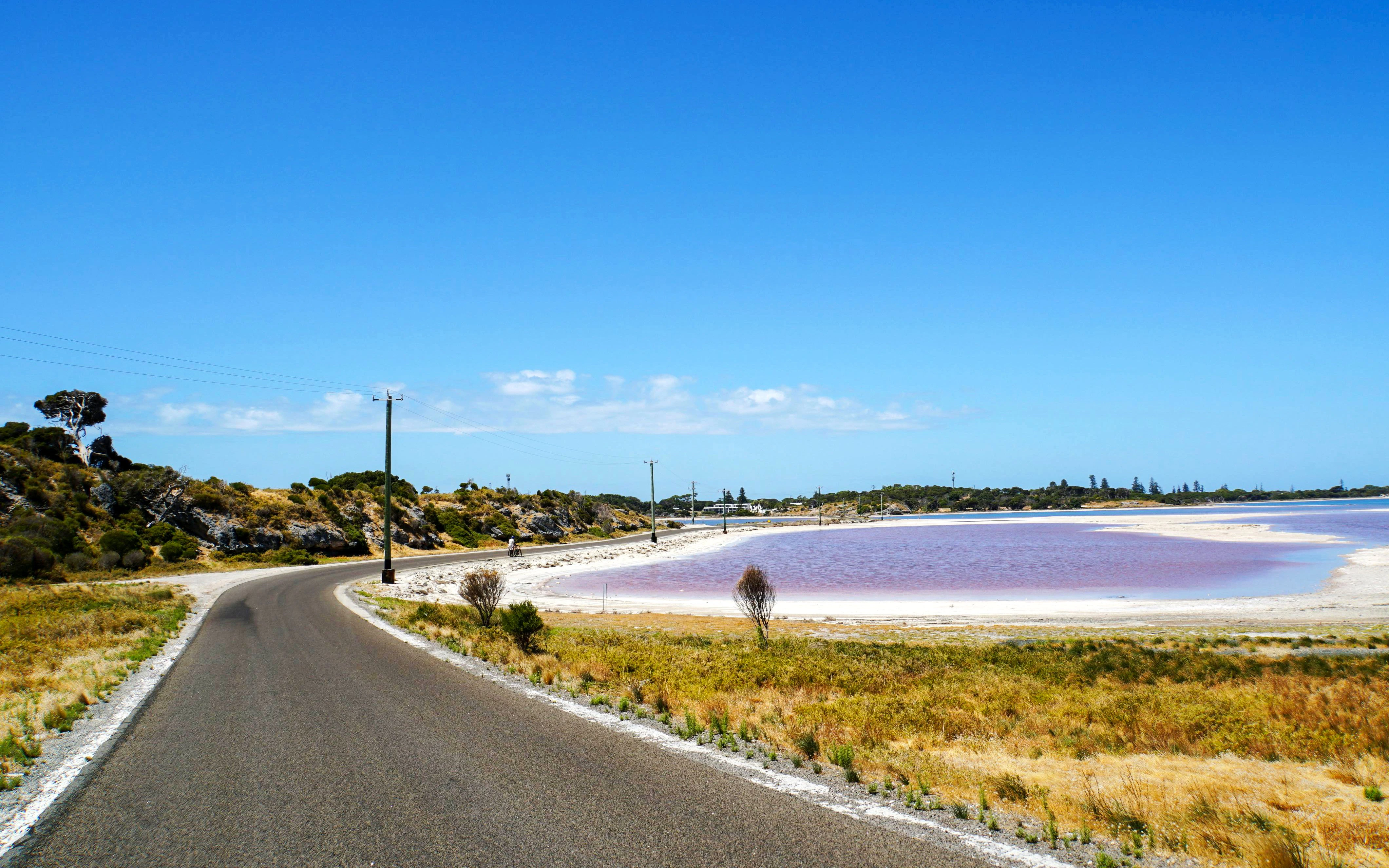
Salt Lake with pink hue and road on Rottnest Island, Western Australia.
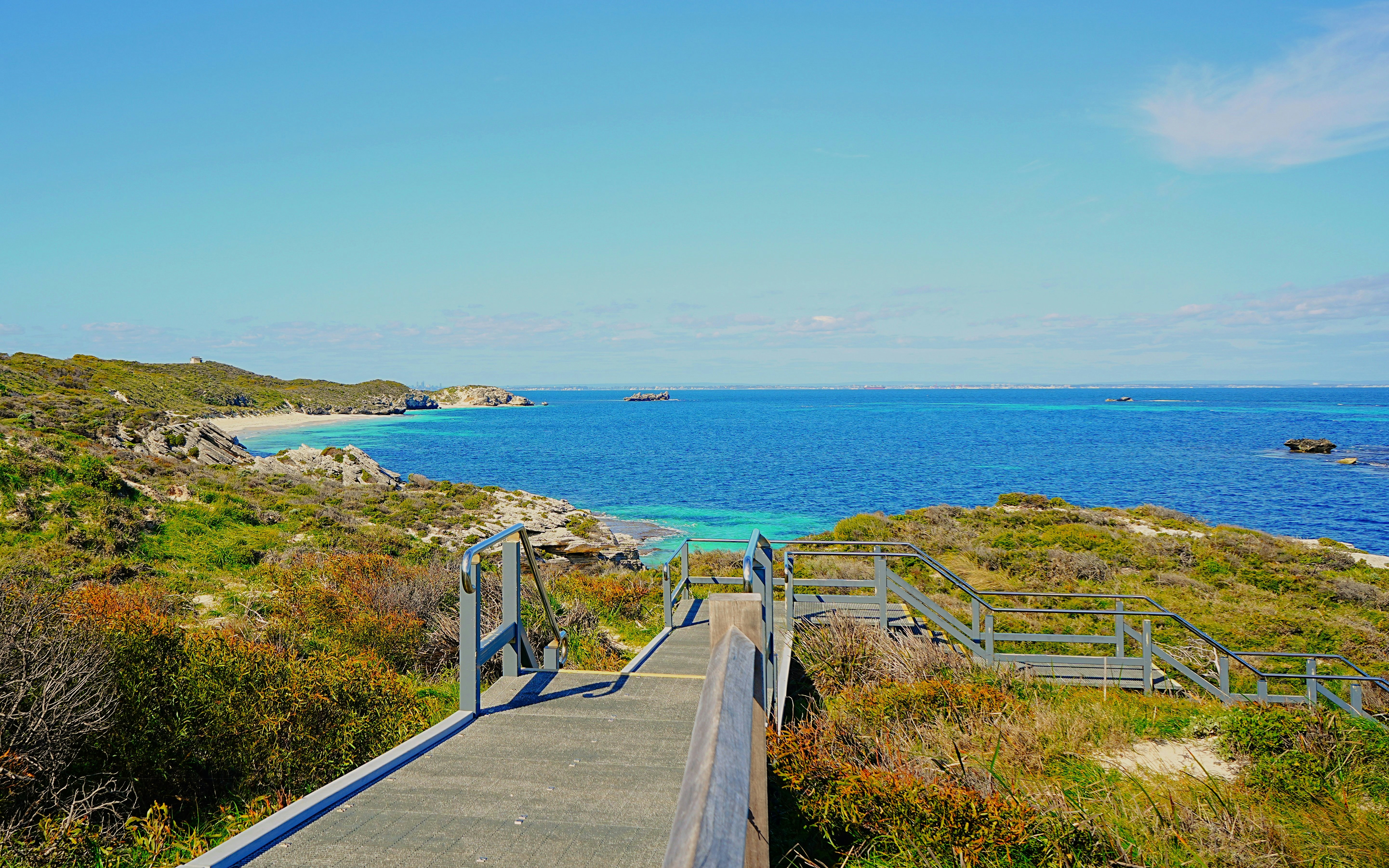
Boardwalk leading to ocean view on Rottnest Island, Australia.
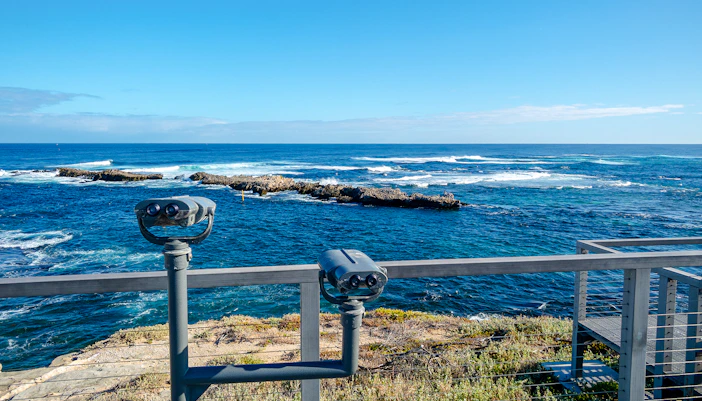
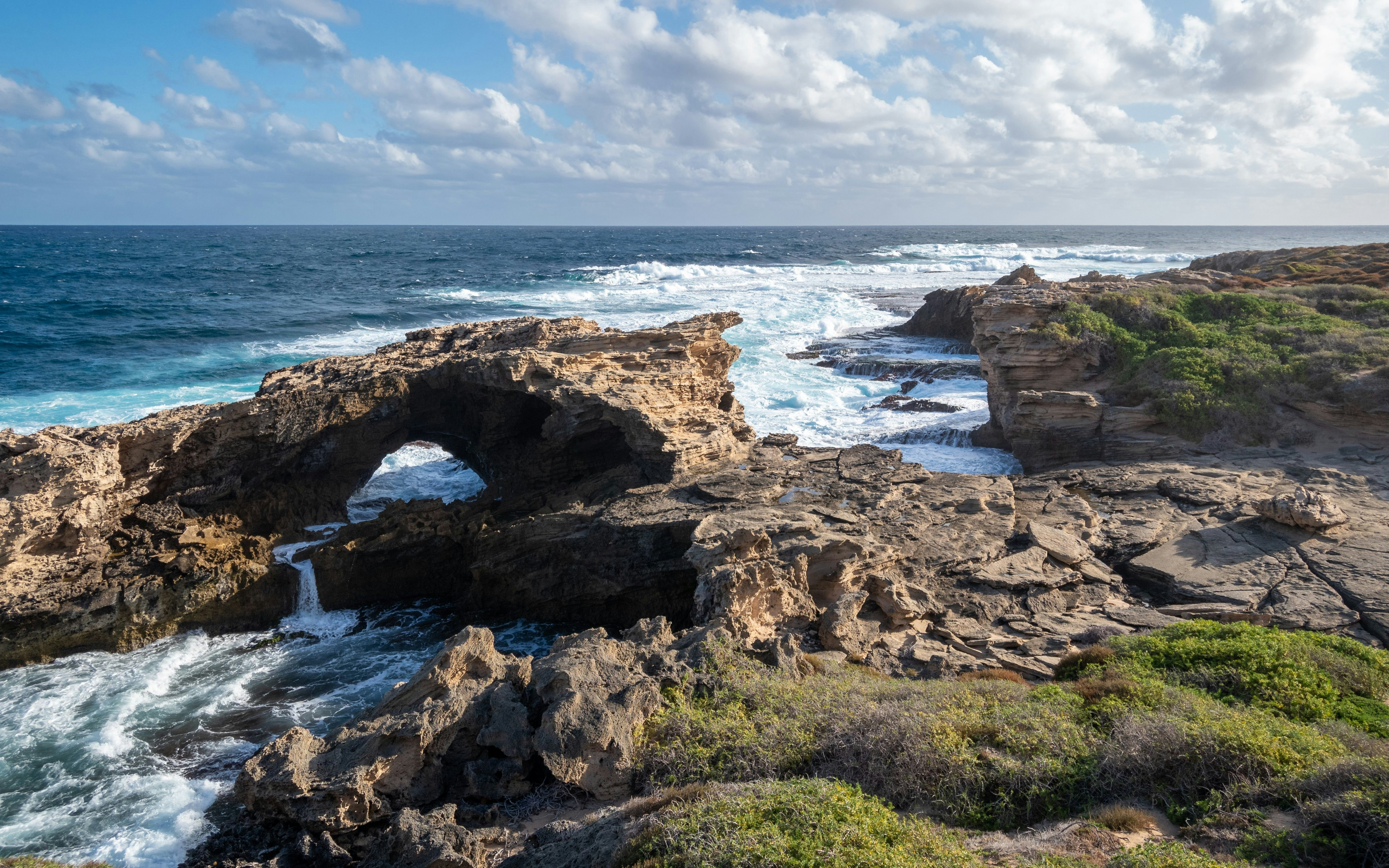
Rock formations and ocean view at West End, Rottnest Island, Western Australia.
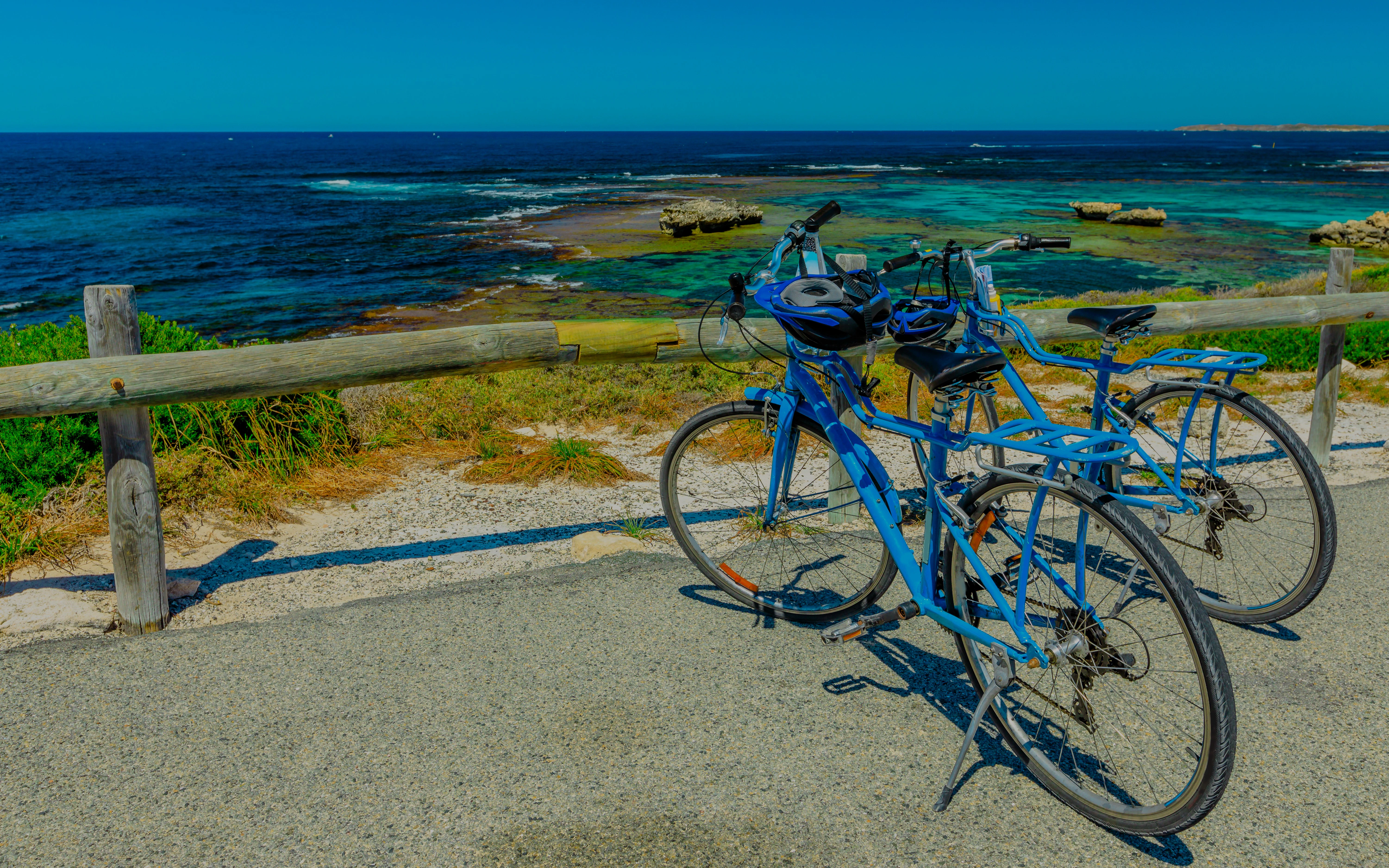
Bicycles parked at Parker Point with ocean view in the background.

Best time to see wildlife on Rottnest Island

Summer: December to February

Best for: Quokkas, snorkelling and marine life

Warm weather makes it easier to spend time in the water. Quokkas are most active during the cooler hours of dawn and dusk, so plan wildlife spotting around the beginning or end of the day.

Autumn: March to May

Best for: Quokkas, cycling and outdoor wildlife spotting

Milder conditions make it comfortable to explore the island by bike or on foot while looking for wildlife.

Winter: June to August

Best for: Birdwatching, whales and quieter wildlife encounters

Winter brings increased bird activity around wetlands, while whales begin appearing in offshore waters. Cooler temperatures can also make longer walks and cycling more comfortable.

Spring: September to November

Best for: Quokka joeys, whales, birds and wildflowers

Spring is a particularly rewarding season for nature lovers. Quokka joeys may be becoming more visible, while whale migration continues and the island's flora begins to bloom.

What to know before you go

  • Wildlife sightings aren't guaranteed: Animals move freely, so every encounter is different.
  • Go early or late: Dawn and dusk are particularly good times for quokka spotting.
  • Carry water: Wildlife spotting often involves walking or cycling between different areas.
  • Bring binoculars: Useful for observing birds and marine life without getting too close.
  • Pack sun protection: The island has limited shade in some exposed areas.
  • Stay on marked routes: This protects both visitors and wildlife.
  • Don't feed animals: This is harmful and illegal.
  • Don't touch quokkas: Enjoy them from a respectful distance.
  • Check the season: Visit in winter for birdlife, spring for quokka joeys and whales, and summer for snorkelling and marine life.
  • Allow enough time: A full day gives you more opportunities to explore different habitats.
  • Consider a guided experience: Tours and boat trips can make it easier to explore the island while learning about its wildlife.

If you're travelling to Rottnest Island specifically for wildlife, consider booking your ferry tickets in advance and planning your wildlife experiences around your arrival and departure times.

Frequently asked questions about Rottnest Island wildlife

Yes. Many animals actually. Quokkas, osprey, cormorants, and dolphins are commonly seen around beaches, walk trails, and settlement areas. However, sea lions, whales, and fur seals are more reliably spotted on guided tours or at specific lookout points.